
Updated August 12, 2026
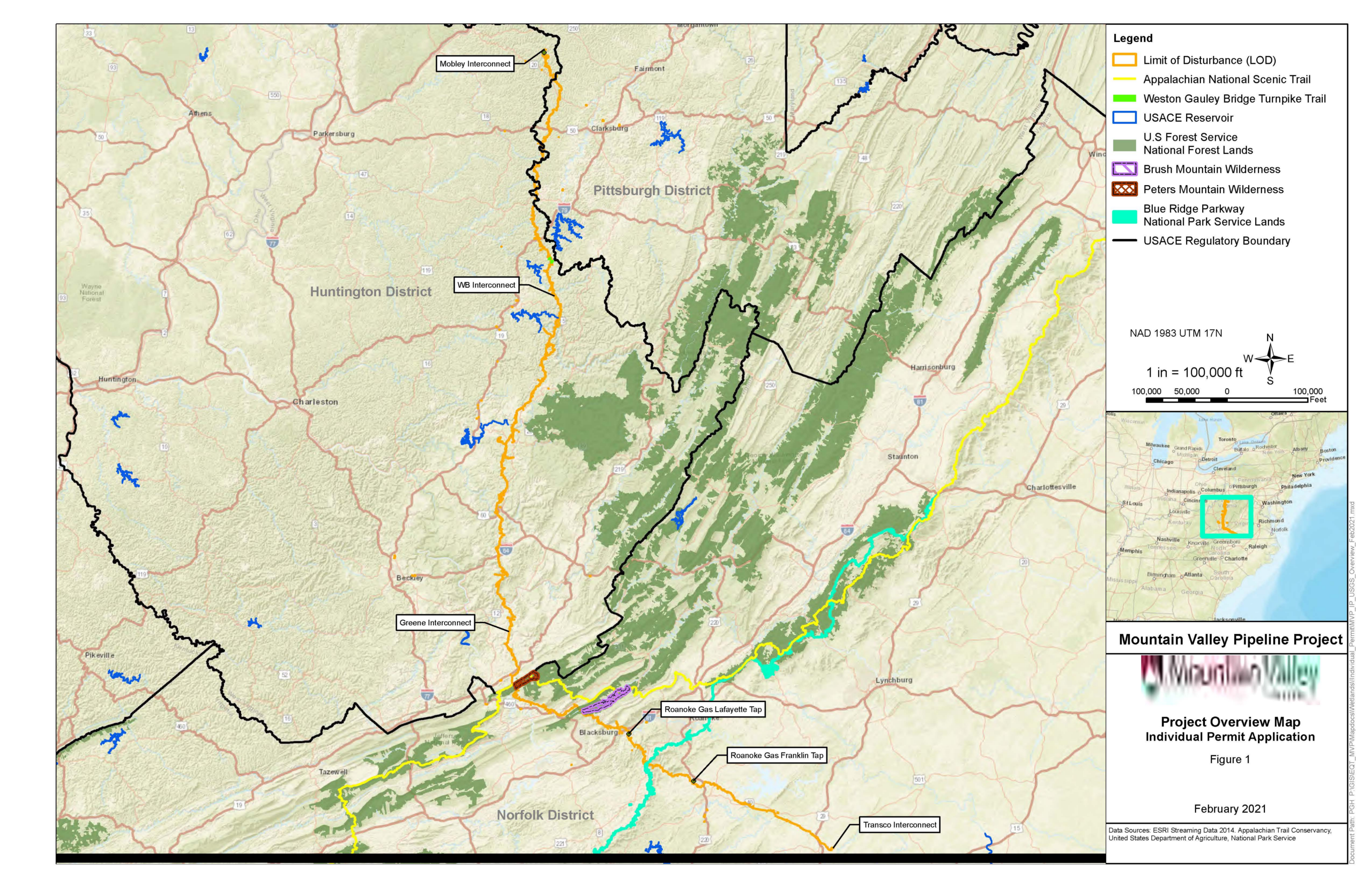
When a pipeline company approaches a Pennsylvania landowner, one of the first questions is usually where the pipeline will go.
That question is critical.
The route of a pipeline may affect the landowner’s home, fields, woods, driveways, barns, ponds, streams, wetlands, hunting areas, future building sites, subdivision plans, timber, farming operations, and long-term property value.
But landowners should understand something very important.
The route shown on an early map may not be the final route. The route described by the landman may not match the final legal agreement. And the pipeline company’s proposed right-of-way document may include language allowing the company to move, adjust, widen, expand, or modify the route later.
Before signing any Pipeline Right-of-Way Agreement, Pipeline Easement Agreement, Pipeline Option Agreement, Survey Agreement, Addendum, or related document, Pennsylvania landowners should carefully review how the pipeline route is described and whether the company has future route-change rights.
Why Pipeline Route Location Matters
Pipeline route location can determine the real impact of the agreement.
A pipeline placed along a property boundary may create a very different burden than a pipeline crossing the middle of a field, near a home, through a future building site, across timber, or along an important access area.
Route location may affect:
- current property use;
- future building plans;
- farm operations;
- hay fields;
- crop ground;
- timber value;
- hunting;
- recreational use;
- driveway access;
- pond and stream protection;
- wetlands;
- drainage;
- erosion;
- equipment movement;
- property value;
- and future sale or subdivision opportunities.
Compensation matters, but location may matter just as much.
A better route can sometimes be more valuable than a higher payment.
The Map Is Not Always Enough
Pipeline companies often provide maps, sketches, route sheets, survey drawings, aerial photos, or preliminary exhibits.
These documents can be helpful, but landowners should not assume they are legally sufficient.
A map may be:
- preliminary;
- approximate;
- not to scale;
- subject to change;
- missing temporary workspace;
- missing access roads;
- missing above-ground facilities;
- missing additional work areas;
- or inconsistent with the agreement language.
The landowner should make sure the final signed agreement includes accurate maps and exhibits that clearly define the pipeline route, easement area, temporary workspace, access rights, and any related facilities.
If the map and the contract language conflict, the disagreement may create major problems later.
The Agreement Should Specifically Identify the Route
A pipeline agreement should not describe the route vaguely.
The agreement should specifically identify:
- the pipeline centerline;
- permanent easement width;
- temporary workspace;
- additional temporary workspace;
- access roads;
- staging areas;
- above-ground facilities;
- utility or communication lines;
- and any special work areas.
The landowner should avoid language allowing the company to place the pipeline wherever it determines to be necessary, convenient, reasonable, or desirable.
The route should be fixed before signing unless the landowner intentionally agrees otherwise.
Route Change Clauses Can Be Dangerous
Some company-drafted agreements contain route-change language.
This language may allow the company to change the pipeline route after the agreement is signed.
The company may ask for flexibility because of engineering issues, environmental review, construction needs, regulatory requirements, or survey results.
Some flexibility may seem reasonable.
But broad route-change rights can be dangerous for the landowner.
A route change may move the pipeline closer to a home, through better farmland, across a driveway, into timber, near a pond, or across land the owner planned to develop.
A landowner should not give the company open-ended authority to relocate the pipeline.
Limited Adjustments vs. Major Route Changes
Not all route changes are the same.
A minor field adjustment to avoid rock, drainage, wetlands, or a construction issue may be very different from a major reroute across a different part of the property.
If any route adjustment is allowed, the agreement should clearly distinguish between limited adjustments and major changes.
The agreement should address:
- how far the route may move;
- whether movement is measured from the centerline;
- whether written landowner consent is required;
- whether new maps must be provided;
- whether additional compensation is required;
- whether new damages must be paid;
- whether new temporary workspace is allowed;
- whether access roads may change;
- and whether above-ground facilities may be relocated.
The company should not be allowed to make major route changes without landowner approval.
Survey Requests and Route Planning
Pipeline route issues often begin before an easement is signed.
A company may first ask for survey access to evaluate possible routes. Survey work may help the company decide where it wants the pipeline to go.
Landowners should understand that early survey decisions can affect later route negotiations.
Before allowing survey access, landowners should ask:
- what project is involved;
- what areas will be surveyed;
- what legal authority is claimed;
- whether stakes or flags will be placed;
- whether environmental or geotechnical work will occur;
- whether trees, crops, soil, or fences may be disturbed;
- and how the survey work may affect future route selection.
Survey access may seem minor, but it can shape the rest of the negotiation.
Option Agreements and Future Route Uncertainty
Many pipeline documents are actually option agreements.
An option agreement may give the company time to decide whether to build the pipeline later. During that period, the landowner may be uncertain whether the pipeline will be installed, where it will be located, and how the property will be affected.
If the route is not fixed during the option period, the landowner may face years of uncertainty.
Before signing a pipeline option agreement, landowners should consider whether:
- the route is fixed;
- the easement area is defined;
- temporary workspace is mapped;
- route changes are limited;
- option duration is short;
- option payments are adequate;
- and unused rights terminate if the option is not exercised.
A vague option agreement can create major title and planning problems.
Permanent Easement Width and Route Location Work Together
Pipeline route location cannot be evaluated without considering easement width.
A pipeline route with a narrow, well-defined easement may be more manageable than a route with broad, flexible easement language.
The agreement should define:
- the permanent easement width;
- the temporary workspace width;
- any additional temporary workspace;
- whether workspace can be moved;
- whether the easement can be widened;
- and whether future pipelines are allowed.
A landowner should not focus only on the line drawn on the map. The width and related rights may determine the true burden.
Temporary Workspace Can Change the Real Impact
Temporary workspace may affect more land than the permanent easement.
A route that appears acceptable on paper may become far more disruptive if the company also receives large temporary workspace areas, additional temporary workspace, access areas, and construction areas.
Temporary workspace may affect:
- fields;
- crops;
- timber;
- fences;
- driveways;
- livestock;
- drainage;
- streams;
- ponds;
- and ordinary use of the property.
The agreement should identify all temporary workspace on the map and limit the company’s ability to add more later.
Access Roads Can Create Separate Route Problems
Access routes can be just as important as the pipeline route.
A pipeline company may seek the right to use existing roads, build temporary roads, improve farm lanes, cross fields, or create new access routes.
The landowner should review:
- where access will occur;
- whether existing roads may be used;
- whether new roads may be built;
- whether access routes are mapped;
- whether access continues after construction;
- who repairs damage;
- and whether access rights are limited to the pipeline project.
A pipeline route agreement should not give the company broad access over the entire property.
Above-Ground Facilities Should Be Separately Located
A pipeline agreement may also authorize above-ground facilities such as:
- gas valves;
- meter stations;
- pig launchers;
- pig receivers;
- signs;
- communication equipment;
- electric equipment;
- fencing;
- or other surface structures.
These facilities should not be hidden inside broad route language.
If above-ground facilities are not allowed, the agreement should say so clearly.
If they are allowed, the agreement should identify exact locations, size, compensation, access rights, tax responsibility, removal obligations, and future expansion limits.
Route Location and Future Development
Pipeline route location may affect the future use of the property.
A poorly located pipeline may interfere with:
- a future house;
- subdivision plans;
- commercial development;
- barns;
- septic systems;
- driveways;
- utilities;
- ponds;
- timber management;
- farming;
- or family transfer plans.
Landowners should think beyond current use.
A route that seems acceptable today may create problems years later.
The agreement should consider future property plans before the landowner signs.
Route Location and Farming
For farm properties, route location can affect daily operations.
A pipeline may interfere with:
- crop fields;
- hay fields;
- pasture;
- fencing;
- manure spreading;
- drainage tile;
- farm lanes;
- equipment movement;
- irrigation;
- and field access.
The landowner should evaluate whether the route can be moved to reduce agricultural impact.
The agreement should also include strong construction, drainage, compaction, topsoil, and restoration protections.
Route Location and Timber
A pipeline route through timber may create significant damage.
The landowner should consider:
- timber value;
- future timber management;
- logging access;
- edge effects;
- erosion;
- hunting impact;
- visual impact;
- and whether mature timber can be avoided.
Timber damages should be separately evaluated and compensated.
A route that avoids valuable timber may be much better than a route that simply follows the company’s preferred path.
Route Location and Water Resources
Pipeline routes near streams, ponds, springs, wetlands, or drainage areas require special attention.
A poorly located route may create:
- erosion;
- sediment movement;
- drainage problems;
- wet field conditions;
- stream crossing issues;
- damage to ponds;
- spring disturbance;
- or long-term reclamation issues.
The landowner should consider whether the route can be moved away from sensitive water features.
The agreement should require the company to repair drainage and water-related damage caused by construction, maintenance, or access.
Route Location and Compensation
Compensation should reflect route impact.
Two properties with the same length of pipeline may not be affected the same way.
A route along a boundary may be less damaging than a route across the center of a farm. A route through timber may be more damaging than a route through lower-value land. A route near a future building site may be far more burdensome than a route through an unused corner.
Compensation should consider:
- route location;
- acreage affected;
- easement width;
- temporary workspace;
- timber damages;
- crop damages;
- future development limitations;
- access routes;
- above-ground facilities;
- drainage risk;
- inconvenience;
- and long-term property impact.
A simple price-per-foot approach may not capture the full burden.
Route Location and Eminent Domain Threats
Sometimes a pipeline company may claim that the route is fixed because the company has or may have eminent domain authority.
Landowners should not assume that every condemnation threat is correct.
The type of pipeline, project approvals, legal authority, and facts matter.
Even where condemnation risk exists, route location may still be important. A landowner may still seek changes, better compensation, stronger protections, or a negotiated agreement that avoids unnecessary damage.
Condemnation pressure should not cause a landowner to sign a broad route-change clause without review.
As-Built Surveys and Final Documentation
After construction, landowners should consider whether the agreement requires final documentation.
An as-built survey or final location drawing may help confirm where the pipeline was actually installed.
This can be important for:
- future construction;
- fencing;
- farming;
- subdivision;
- sale of property;
- damage claims;
- future pipeline disputes;
- and understanding exactly where restrictions apply.
The agreement should require the company to provide accurate final location information after construction.
No Route Change Without Written Consent
The safest landowner approach is often to prohibit route changes without written consent.
If the company insists on limited flexibility, the agreement should be narrow and specific.
A route-change clause should address:
- the maximum permitted deviation;
- whether the deviation affects the centerline;
- whether temporary workspace can move;
- whether additional land may be used;
- whether above-ground facilities can move;
- whether new maps are required;
- whether additional compensation is required;
- and whether landowner approval is required.
Open-ended route-change language should be avoided.
Do Not Rely on Verbal Promises
A company representative may say:
- “The route will not change.”
- “This is just a preliminary map.”
- “We only need minor flexibility.”
- “We will work with you later.”
- “The company has already decided.”
- “You cannot change the route.”
- “The route language is standard.”
- “The easement will only be where the line is installed.”
If route location matters, it must be written into the agreement.
The written contract controls.
Questions Pennsylvania Landowners Should Ask Before Signing
Before signing a pipeline agreement involving route location, landowners should ask:
- Is the exact pipeline route identified?
- Is the centerline shown?
- Is the permanent easement width defined?
- Is temporary workspace mapped?
- Is additional temporary workspace mapped?
- Are access roads mapped?
- Are above-ground facilities prohibited or specifically located?
- Can the company move the route later?
- How far can the route move?
- Is landowner consent required for any route change?
- Is additional compensation required for route changes?
- Can temporary workspace be moved?
- Can access routes be changed?
- Can future pipelines be installed?
- Does the route affect farming, timber, water, or future development?
- Are damages separately addressed?
- Will the company provide an as-built survey?
- Does the agreement eliminate company-friendly route loopholes?
These questions should be answered before signing.
Speak With a Pennsylvania Pipeline Route Agreement Attorney Before Signing
Pipeline route location can determine the true impact of a pipeline agreement. A poorly drafted agreement may allow the company to change the route, expand the easement, add temporary workspace, use broad access routes, or install above-ground facilities in ways the landowner did not expect.
At The Clark Law Firm, PC, Attorney Doug Clark represents Pennsylvania landowners and gas-rights holders only. He does not represent pipeline companies.
If a pipeline company, gas company, landman, or representative has asked you to sign a Pipeline Right-of-Way Agreement, Pipeline Easement Agreement, Pipeline Option Agreement, Survey Agreement, Route Agreement, or Pipeline Addendum, contact PipelineAttorney.com before signing.
Frequently Asked Questions About Pipeline Route Location in Pennsylvania
Can a pipeline route be negotiated?
Often, yes. Depending on leverage, project type, timing, and company authority, landowners may seek route changes to reduce property impact.
Is the map attached to a pipeline agreement important?
Yes. Maps and exhibits should clearly identify the centerline, easement width, temporary workspace, access routes, and any above-ground facilities.
Can a pipeline company move the route after I sign?
It depends on the agreement. Landowners should avoid broad route-change language that allows the company to relocate the pipeline without consent.
Should temporary workspace be mapped?
Yes. Temporary workspace can affect significant additional land and should be specifically identified and limited.
Should the company provide an as-built survey?
Landowners should consider requiring final location documentation after construction so they know where the pipeline and restrictions actually exist.