
Updated July 27, 2026
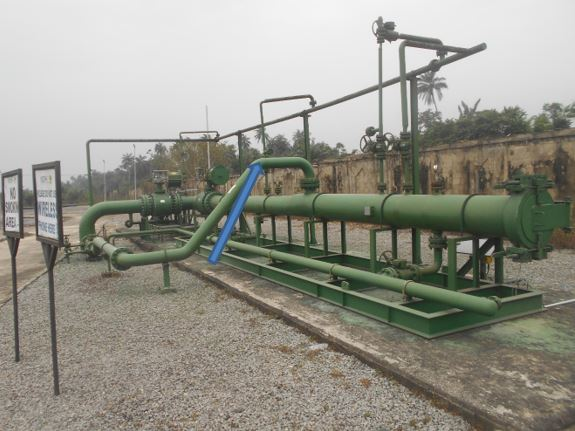
When Pennsylvania landowners review a pipeline right-of-way agreement, they often focus on the buried pipeline. That is understandable. The landowner may review the route, easement width, compensation, temporary work space, construction damage, restoration, and whether the company has eminent domain authority. But pipeline agreements often involve more than a buried pipe.
Many company-drafted pipeline agreements authorize above-ground facilities, including pig launchers, pig receivers, pig catchers, valves, meters, signs, fencing, access roads, communication equipment, and related surface structures.
A pig launcher or pig receiver may create a visible, long-term facility on private property. Landowners should not sign any pipeline agreement without understanding whether these facilities are authorized and whether they can be prohibited, relocated, separately compensated, or heavily restricted.
What Are Pipeline Pigs?
Pipeline “pigs” are devices used inside pipelines for cleaning, maintenance, inspection, or monitoring. Some pigs may clean residue, liquid, or debris from the inside of the pipeline. Others may inspect pipeline conditions, detect problems, or collect operational data. To use a pig, the pipeline company needs equipment to insert the pig into the pipeline and later remove it.
That is where pig launchers and pig receivers become important.
What Is a Pig Launcher?
A pig launcher is an above-ground facility where a pipeline pig is inserted into the pipeline.
Depending on the project, a pig launcher may include above-ground piping, a barrel or chamber, valves, fittings, fencing, gravel, signs, access areas, and related equipment. The company may need to access the facility for inspection, maintenance, pigging operations, emergency response, and equipment replacement. To the company, the launcher may be part of pipeline operations. To the landowner, it may be a permanent industrial surface facility.
What Is a Pig Receiver?
A pig receiver, sometimes called a pig catcher, is an above-ground facility where the pig is removed from the pipeline after traveling through the line. Like a pig launcher, it may involve visible equipment, fencing, access, gravel, signs, and maintenance activity. Depending on the pipeline system, a property may be proposed for a launcher, receiver, or both. Landowners should carefully review whether the proposed agreement allows either facility.
Pig Launchers and Receivers Are Not Ordinary Buried Pipeline Rights
A buried pipeline easement already creates a significant burden on property. But a pig launcher or pig receiver creates additional surface impacts.
Potential concerns include:
- visible above-ground structures;
- permanent fenced areas;
- gravel or stone;
- recurring access;
- maintenance activity;
- equipment replacement;
- safety concerns;
- tax consequences;
- liability exposure;
- visual impact;
- property value concerns;
- interference with farming or hunting;
- and limits on future development.
A landowner may be willing to consider a buried pipeline while strongly objecting to above-ground pigging facilities.
Those are different issues.
Pigging Rights May Be Hidden in Broad Agreement Language
Pipeline agreements may not always clearly say “pig launcher” or “pig receiver” in obvious terms.
Instead, the company form may use broader language such as:
- appurtenances;
- surface facilities;
- above-ground facilities;
- related facilities;
- pipeline facilities;
- valves;
- launchers;
- receivers;
- markers;
- equipment;
- maintenance facilities;
- or facilities necessary or convenient for pipeline operations.
That type of language may be broad enough for the company to argue that above-ground pigging facilities are allowed. Landowners should not assume that a pipeline agreement authorizes only one buried line.
The Best Protection May Be to Prohibit Above-Ground Facilities
In many negotiations, the best landowner protection is to prohibit pig launchers, pig receivers, valves, meters, and other above-ground facilities on the property unless specifically approved in writing.
The agreement may provide that the company may install only the buried pipeline and ordinary line markers, and may not install pig launchers, pig receivers, pig catchers, meter stations, valve sites, compressor-related facilities, communication equipment, or other surface structures without separate written consent.
This can be extremely important.
A landowner should not accidentally agree to above-ground structures when the intent is only to grant a buried pipeline easement.
If Allowed, Pigging Facilities Should Be Separately Negotiated
If a landowner is willing to consider a pig launcher or receiver, the issue should be separately negotiated.
The agreement should address:
- exact location;
- facility size;
- equipment permitted;
- fencing;
- access;
- compensation;
- tax protection;
- insurance;
- indemnification;
- maintenance;
- drainage;
- future expansion;
- removal;
- and reclamation.
The facility should not be treated as an incidental part of the pipeline without separate compensation and protections.
Location Is Critical
Location is one of the most important issues. A poorly located pig launcher or receiver may interfere with:
- homes;
- barns;
- driveways;
- roads;
- fields;
- pastures;
- timber;
- hunting areas;
- recreational use;
- ponds;
- streams;
- wetlands;
- future building sites;
- subdivision plans;
- road frontage;
- and property value.
The agreement should include detailed maps and exhibits showing the exact location of the facility, access road, temporary work area, and any related equipment. The company should not have broad discretion to place, move, expand, or reconfigure the facility without written consent and additional compensation.
Compensation Should Reflect the Facility Burden
A pig launcher or pig receiver is not simply part of pipeline compensation. It is an above-ground facility that may create additional burden beyond the buried easement.
Compensation should account for:
- acreage occupied;
- permanent loss of use;
- visual impact;
- access rights;
- fencing;
- gravel;
- maintenance activity;
- operational visits;
- tax consequences;
- liability risk;
- future development restrictions;
- and effect on property value.
If the company wants a pig launcher or receiver, the landowner should consider additional compensation beyond ordinary pipeline right-of-way compensation.
Annual or Ongoing Payments May Be Appropriate
Because above-ground facilities may remain for many years, landowners should consider whether compensation should include more than a one-time payment.
Depending on the situation, the landowner may seek:
- separate upfront compensation;
- annual payments;
- renewal payments;
- additional payments for expansion;
- additional payments for new equipment;
- and additional payments for new access roads or utility lines.
A one-time pipeline easement payment may not adequately compensate for a permanent above-ground operational facility.
Tax Consequences Must Be Addressed
Pig launchers and receivers may create tax consequences.
If the property is enrolled in Clean and Green or another preferential assessment program, the landowner should determine whether the facility site, access road, gravel area, fencing, or related surface use could trigger rollback taxes, penalties, interest, assessment changes, or other tax consequences.
The agreement should require the pipeline company to pay all taxes, penalties, interest, assessment changes, rollback taxes, and related costs caused by the facility. Landowners should not rely on verbal assurances that taxes will not be affected.
Access Rights Should Be Limited
Pigging facilities require access. The company may need access for inspection, maintenance, pigging operations, repair, emergency response, replacement, and future work.
The agreement should define:
- where access may occur;
- what route may be used;
- whether vehicles are allowed;
- whether notice is required;
- whether gates or locks are required;
- whether access roads may be built;
- who maintains access roads;
- who repairs damage;
- and whether access is limited to specific purposes.
The company should not receive broad access over unrelated portions of the property. Access should be limited to defined routes whenever possible.
Fencing, Gravel, Signs, and Security
Pig launchers and receivers may involve fencing, signs, gravel, bollards, locks, gates, and security measures.
The agreement should address:
- fence location;
- fence type;
- size of fenced area;
- gate and lock control;
- signs;
- gravel;
- bollards;
- screening;
- lighting;
- and maintenance of all visible features.
If the landowner is concerned about appearance, visibility, or interference with property use, those issues should be addressed in writing.
Future Expansion Rights Should Be Restricted
Pipeline companies often want flexibility. That flexibility may allow the company to enlarge a facility, replace equipment, add valves, add utility lines, modify piping, or install additional above-ground structures. Landowners should be cautious.
Future expansion should require:
- written notice;
- landowner consent where appropriate;
- updated maps;
- additional compensation;
- updated tax protection;
- updated indemnification;
- updated insurance;
- and updated restoration obligations.
A pig launcher or receiver agreement should not become an open-ended right for broader surface development.
No Additional Above-Ground Facilities Without Consent
Approving one pig launcher or receiver should not authorize other facilities.
The agreement should prohibit additional above-ground facilities unless separately approved, including:
- gas valves;
- meter stations;
- regulator stations;
- compressor facilities;
- communication towers;
- electric equipment;
- storage areas;
- staging areas;
- additional launchers;
- additional receivers;
- and future pipeline-related structures.
If the company wants additional rights, those rights should be separately negotiated.
Liability and Indemnification Are Essential
Pig launchers and receivers create liability concerns.
Potential claims may involve:
- contractors;
- company employees;
- visitors;
- trespassers;
- equipment failure;
- operational activity;
- environmental issues;
- road damage;
- neighboring property claims;
- maintenance activity;
- and emergency response.
The agreement should require the company to indemnify and protect the landowner from claims, damages, injuries, losses, costs, environmental issues, and liabilities arising from the facility and related activity. The landowner should not be responsible for a facility controlled by the pipeline company.
Insurance Requirements Should Be Specific
Indemnification should be supported by insurance. The agreement should require the company and its contractors to maintain appropriate insurance coverage.
The landowner should consider whether the agreement should require:
- proof of insurance;
- minimum coverage limits;
- additional insured status;
- environmental coverage where appropriate;
- and continuous coverage for as long as the facility remains.
Vague insurance language may not provide sufficient protection.
Environmental and Operational Concerns
Pigging operations may involve maintenance activity, opening equipment, removing pigs, handling materials, collecting residue, vehicle access, and operational procedures.
The agreement should address responsibility for:
- spills;
- releases;
- residue;
- waste;
- odors;
- cleanup;
- disposal;
- drainage;
- erosion;
- and environmental claims.
The company should be responsible for all environmental consequences caused by the facility and its operations.
Drainage and Surface Damage
Even a relatively small facility can create drainage and surface problems.
The agreement should require the company to prevent and repair:
- erosion;
- sediment movement;
- ponding;
- blocked drainage;
- access road damage;
- culvert damage;
- rutting;
- soil compaction;
- and damage to surrounding fields, roads, yards, or neighboring property.
The landowner should not be left with long-term drainage problems caused by company equipment or access.
Maintenance and Repair Obligations
The company should be responsible for maintaining the facility.
Maintenance obligations should include:
- equipment maintenance;
- fencing;
- signs;
- gravel;
- access roads;
- drainage;
- vegetation control;
- erosion control;
- locks and gates;
- security features;
- and cleanup.
The landowner should not be responsible for maintaining or securing company equipment.
Duration, Abandonment, and Removal
The agreement should address what happens when the facility is no longer needed.
Important questions include:
- How long may the facility remain?
- What happens if the pipeline is abandoned?
- What happens if the facility is not used?
- When must equipment be removed?
- Must fencing, gravel, signs, and foundations be removed?
- Must the company restore the site?
- Will a release be recorded?
Unused facility rights should not burden the property indefinitely.
Reclamation Obligations
If the pig launcher or receiver is removed, the company should reclaim the site.
Reclamation may include:
- removal of equipment;
- removal of fencing;
- removal of signs;
- removal of gravel or stone if required;
- removal of foundations;
- grading;
- topsoil replacement;
- drainage repair;
- reseeding;
- erosion control;
- and restoration of disturbed areas.
The agreement should state when reclamation must occur and what standard applies.
Assignment Rights Matter
The landowner should review whether the company may assign the agreement to another company, affiliate, operator, successor, purchaser, or third party. If assignment is allowed, all landowner protections should remain binding. The original company should not be allowed to transfer the agreement in a way that weakens the landowner’s position.
Do Not Rely on Verbal Promises
A company representative may say:
- “It is just a small facility.”
- “You will barely notice it.”
- “It is necessary for pipeline safety.”
- “It will not affect taxes.”
- “There will not be much traffic.”
- “We will maintain everything.”
- “The standard agreement already covers it.”
- “You do not need additional language.”
If those issues matter, they should be written into the agreement.
The written agreement controls.
Questions Pennsylvania Landowners Should Ask Before Signing
Before signing a pipeline agreement involving pig launchers or pig receivers, landowners should ask:
- Does the agreement allow pig launchers or pig receivers?
- Does broad “appurtenance” language allow above-ground facilities?
- Can pigging facilities be prohibited?
- Where exactly would the facility be located?
- Is a detailed map attached?
- How much land will be affected?
- What equipment, fencing, signs, gravel, and structures are allowed?
- What additional compensation is being paid?
- Should annual payments be required?
- Are tax consequences addressed?
- Are access rights limited?
- Are future expansion rights prohibited?
- Are additional above-ground facilities prohibited?
- Does the company indemnify the landowner?
- What insurance is required?
- Who maintains the facility?
- Who repairs drainage or surface damage?
- What happens if the facility is no longer used?
- What reclamation obligations apply?
- Does approving one facility allow additional facilities later?
These questions should be answered before signing.
Speak With a Pennsylvania Pig Launcher and Pig Receiver Agreement Attorney Before Signing
Pig launchers and pig receivers may sound technical, but they can create long-term property burdens involving visible above-ground structures, access, taxes, liability, maintenance, future expansion, environmental concerns, and reclamation.
At The Clark Law Firm, PC, Attorney Doug Clark represents Pennsylvania landowners and gas-rights holders only. He does not represent pipeline companies.
If a pipeline company, gas company, landman, or representative has asked you to sign a Pipeline Right-of-Way Agreement, Surface Use Agreement, Pipeline Addendum, Pig Launcher Agreement, Pig Receiver Agreement, or any document authorizing above-ground pipeline facilities, contact PipelineAttorney.com before signing.
Frequently Asked Questions About Pennsylvania Pig Launcher and Pig Receiver Agreements
What is a pipeline pig?
A pipeline pig is a device used inside a pipeline for cleaning, maintenance, inspection, or operational purposes.
What is a pig launcher?
A pig launcher is an above-ground facility where a pipeline pig is inserted into the pipeline.
What is a pig receiver?
A pig receiver, sometimes called a pig catcher, is an above-ground facility where a pipeline pig is removed from the pipeline.
Can pipeline agreements allow pig launchers and receivers?
Yes. Pipeline agreements may expressly authorize these facilities or use broad language allowing above-ground facilities, appurtenances, or related equipment.
Can landowners prohibit pig launchers and receivers?
In many negotiations, landowners may seek to prohibit above-ground facilities or require separate consent, location approval, compensation, tax protection, insurance, indemnification, and reclamation language.